If your customers are on their phones all day (and they are), you need to meet them where they already spend time. That’s where whatsapp marketing comes in.
With over 2 billion active users globally, WhatsApp isn’t just a messaging app anymore. It’s a serious business channel. From small local stores to global brands, companies are using Getgabs official bulk WhatsApp sender software to build relationships, send updates, and drive sales in a way that feels personal instead of pushy.
Let’s break it down properly.
What Is WhatsApp Marketing?
At its core, whatsapp marketing is the use of WhatsApp to promote products or services, connect with customers, and build long-term engagement.
Unlike email or social media ads, messages here land directly in a user’s personal inbox. That changes everything. Open rates are often above 90%, and replies happen fast.
Businesses typically use:
- Broadcast messages
- Automated replies
- Product catalogs
- Order updates
- Customer support chats
If done right, it feels like a conversation—not an advertisement.
Why Businesses Are Choosing This Channel
Here’s the thing: people ignore ads. They don’t ignore messages from people they trust.
WhatsApp works because it’s:
- Direct
- Personal
- Fast
- Permission-based
When customers opt in, they actually want to hear from you. That makes your communication warmer and more effective.
Another big reason? Cost. Compared to paid ads, whatsapp marketing is affordable and scalable. Even small startups can use it without huge budgets.
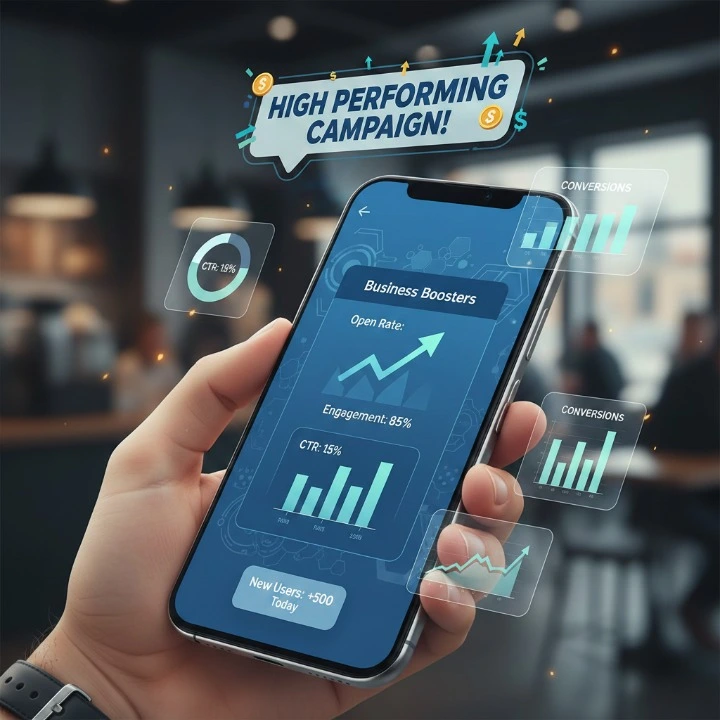
WhatsApp Business vs WhatsApp Business API
Before going further, you need to understand the difference.
WhatsApp Business is built for small businesses. You manage chats manually, create catalogs, and use quick replies.
WhatsApp Business API is for medium and large businesses. It allows automation, chatbot integration, bulk campaigns, and CRM integration.
This is where platforms like Waplify come in. Waplify helps businesses automate campaigns, manage customer segments, and send targeted messages without breaking WhatsApp rules. Instead of handling everything manually, you get structured campaign management and analytics in one place.
What this really means is scale. You can move from one-on-one messaging to structured campaigns without losing personalization.

Key Benefits of WhatsApp Marketing
Let’s organize this clearly.
| Benefit | Why It Matters | Business Impact |
|---|---|---|
| High Open Rate | Messages are read quickly | Better visibility than email |
| Real-Time Communication | Instant replies | Faster customer decisions |
| Personalization | Name-based and behavior-based messaging | Stronger relationships |
| Automation | Scheduled campaigns & chatbots | Saves time & staff cost |
| Global Reach | Available in 180+ countries | Expand customer base easily |
Unlike social platforms such as Facebook or Instagram where algorithms limit visibility, messages here go directly to the user. That direct line is powerful.
How to Build a Winning WhatsApp Strategy
Now let’s get practical.
1. Collect Opt-Ins the Right Way
Never message random numbers. Always get permission through website forms, checkout pages, or QR codes.
2. Segment Your Audience
Not everyone should receive the same message. Separate customers based on:
- Purchase history
- Location
- Interest
- Engagement level
3. Keep Messages Short and Clear
People don’t open WhatsApp to read long essays. Keep it simple and direct.
4. Use Automation Smartly
Tools like Waplify allow scheduling and automation without making messages feel robotic.
5. Track Performance
Monitor delivery rate, read rate, and conversions. Strong whatsapp marketing isn’t about blasting messages. It’s about relevance.
Common Mistakes to Avoid
Even a good channel can fail if misused.
- Sending too many promotional messages
- Ignoring replies
- Not personalizing
- Violating WhatsApp policies
- Buying contact lists
Remember, trust is everything. Once a customer blocks you, it’s hard to win them back. Also, always follow official guidelines from Meta Platforms to avoid account suspension.
How Waplify Helps Businesses Scale
Let’s talk practical tools.
Waplify is designed to make whatsapp marketing structured and compliant. Instead of manually sending bulk messages, it allows:
- Campaign scheduling
- Template management
- Customer segmentation
- Performance tracking
- CRM integration
This is especially useful for e-commerce brands, educational institutes, and service businesses that handle thousands of contacts. When paired with proper targeting, tools like Waplify turn simple messaging into a revenue-driving channel.
For official platform policies, businesses can always refer to WhatsApp’s documentation here:
https://www.whatsapp.com/business
https://developers.facebook.com/docs/whatsapp
(These external resources provide updated API guidelines and policy frameworks.)
Real Use Cases Across Industries
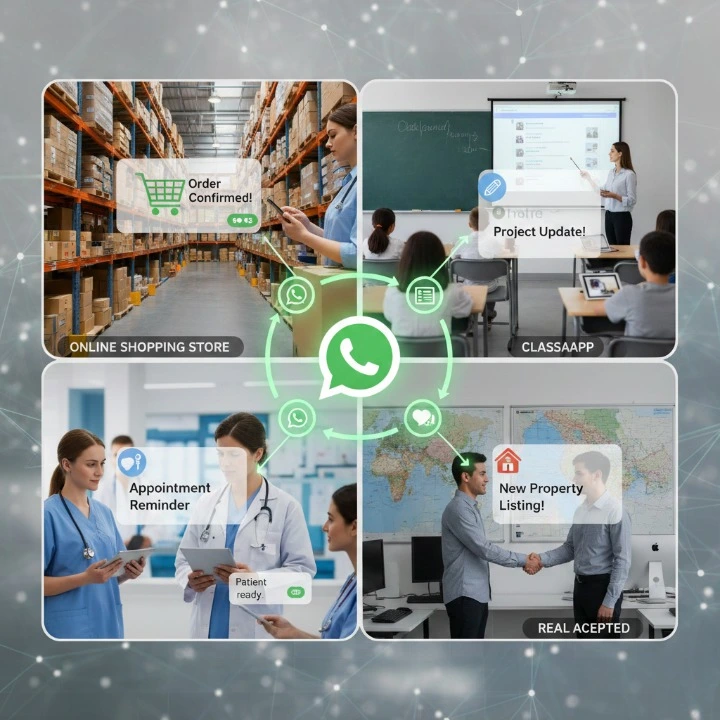
Here’s how different industries apply whatsapp marketing:
E-commerce:
Order confirmations, delivery updates, abandoned cart reminders.
Education:
Course enrollment reminders, webinar invites, student support.
Healthcare:
Appointment confirmations, follow-ups, test reports.
Real Estate:
Property images, site visit scheduling, price updates.
The versatility makes it suitable for nearly any customer-facing business.
Is WhatsApp Marketing Worth It in 2026?
Short answer: yes.
Many brands are also diversifying with video-based marketing to reach audiences across multiple touchpoints simultaneously.
If used with permission, personalization, and proper automation, whatsapp marketing delivers high engagement at lower cost.
But it’s not magic. Strategy matters. Compliance matters. Timing matters.
When those pieces align, it becomes one of the strongest digital channels available today.
Frequently Asked Questions (FAQ)
1. What is WhatsApp marketing and how does it work?
WhatsApp marketing is a strategy where businesses use WhatsApp to communicate with customers through promotional messages, updates, support chats, and automated campaigns. It works by collecting user opt-ins, sending approved message templates, and engaging customers directly inside the app. Businesses can use the standard business app or the API for automation and scale.
2. Is WhatsApp marketing legal and safe to use?
Yes, it is legal when done with user permission. Businesses must collect explicit opt-ins before sending messages. Following policies set by Meta Platforms ensures compliance. Sending unsolicited bulk messages or buying contact lists can lead to account suspension.
3. What is the difference between WhatsApp Business and WhatsApp Business API?
WhatsApp Business is designed for small businesses and allows manual communication with basic automation features.
WhatsApp Business API is built for medium and large businesses. It supports chatbots, bulk campaigns, CRM integration, and advanced automation through official solution providers.
4. How effective is WhatsApp marketing compared to email marketing?
WhatsApp marketing generally has much higher open rates than email. Messages are delivered instantly and often read within minutes. While email open rates typically range between 15–25%, WhatsApp messages can exceed 80–90% open rates when sent properly with user consent.
5. How can businesses collect customers for WhatsApp marketing?
Businesses can collect contacts through website forms, checkout pages, landing pages, QR codes, social media ads, and in-store signups. The key is transparency—customers should clearly know they are subscribing to receive updates or offers via WhatsApp.
6. Can small businesses use WhatsApp marketing effectively?
Absolutely. Small businesses can use WhatsApp Business to manage customer conversations, share product catalogs, and send broadcast updates. With consistent messaging and proper segmentation, even local shops can see strong engagement and repeat sales.
7. What type of messages perform best in WhatsApp marketing?
Short, personalized, and value-driven messages perform best. Examples include:
- Exclusive offers
- Order updates
- Appointment reminders
- Limited-time discounts
- Customer support responses
Overly promotional or frequent messages can reduce engagement.
8. How often should businesses send WhatsApp marketing messages?
There is no fixed rule, but balance is important. For most businesses, 1–4 messages per month works well. The goal is to stay relevant without overwhelming subscribers.
9. Can WhatsApp marketing be automated?
Yes. Through the WhatsApp Business API, businesses can automate welcome messages, abandoned cart reminders, and customer support replies. Platforms like Waplify help manage automation, segmentation, and campaign performance while staying compliant with WhatsApp policies.
10. Is WhatsApp marketing suitable for all industries?
Most customer-focused industries can benefit from it, including e-commerce, education, healthcare, real estate, and service-based businesses. As long as communication is permission-based and valuable, it can improve engagement and customer retention.
Final Thoughts
Businesses that win in 2026 are the ones that communicate clearly and directly. WhatsApp offers exactly that. Start small. Build opt-ins. Use automation wisely. Track results. Improve continuously. Whether you manage it manually or scale through tools like Waplify, the opportunity is real. The brands that treat it as a relationship channel—not just a promotion tool—will see the biggest returns. And that’s the difference between sending messages… and building conversations.
External Resource
For more in-depth guides on digital growth strategies, messaging automation, and business communication trends, you can explore:
Digital Tech Blog
https://digitaltechblog.com/