Industry Spotlight: 7 Sectors Where WhatsApp Marketing Crushes Email in 2025
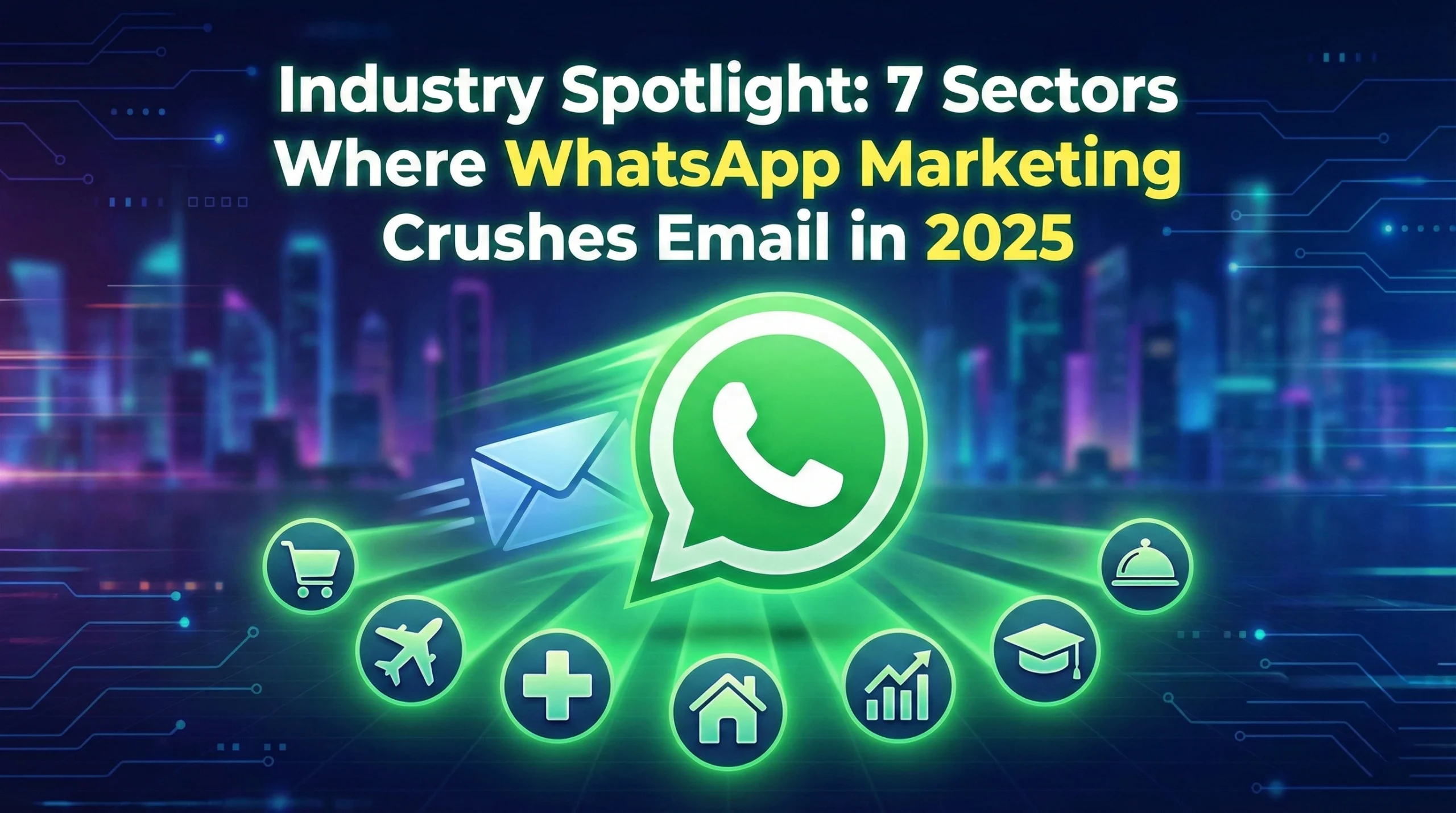
In 2025, WhatsApp marketing outperforms email because it delivers messages to a platform users check dozens of times a day, resulting in 98% open rates compared to email's declining 20%. While email remains useful for long records, WhatsApp marketing provides the speed and direct engagement necessary for modern sales, customer support, and critical alerts. This article explores the seven specific industries were switching to instant messaging creates the biggest competitive advantage.
The 2025 Communication Landscape
The way businesses talk to customers has changed fast. In 2025, people want answers instantly. They do not want to search through a cluttered email inbox to find a sale code or an appointment reminder.
The Decline of Email Open Rates and the Rise of Instant Messaging
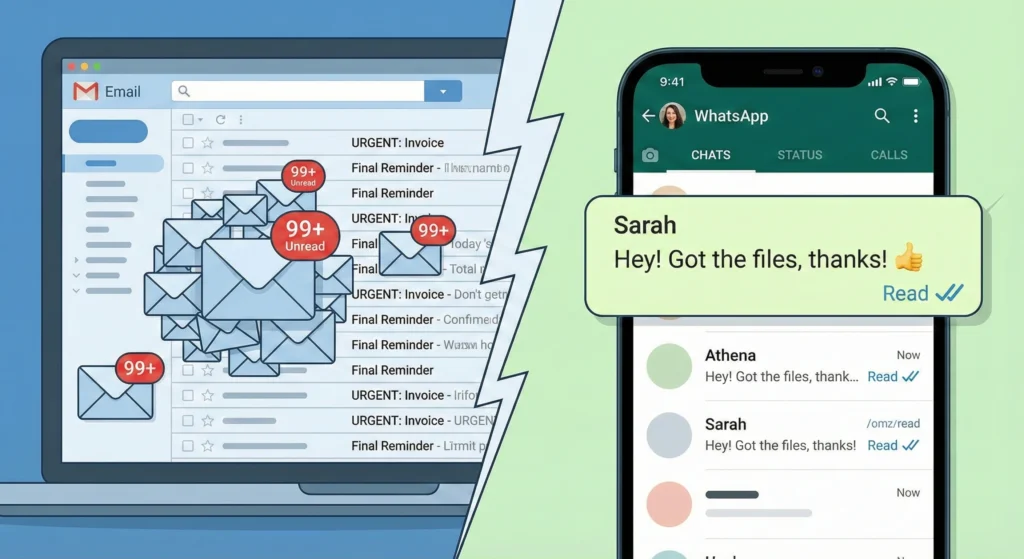
Email is getting harder to use for marketing. Spam filters are aggressive, and "Promotions" tabs hide messages from view. Most people have thousands of unread emails. In contrast, messaging apps like WhatsApp are personal and immediate. A phone buzzes, and the user looks right away. This creates a huge opportunity for businesses to get noticed.
Why Direct Engagement is the New Currency for Growth
Growth today depends on attention. You cannot sell to someone who does not see your message. Direct engagement on WhatsApp builds trusts faster. It turns a one-way announcement into a two-way conversation. This connection is the main reason why smart companies are moving their budget from email to messaging.
Why WhatsApp Marketing Outperforms Email
WhatsApp marketing is simply using the WhatsApp app to send promotional messages or support customers. It is not just for chatting with friends anymore. It is a powerful tool for business growth.
What is WhatsApp Marketing and How Does It Work?
WhatsApp Marketing involves sending messages to customers who have agreed to be contacted. It works through the WhatsApp Business App or the API (Application Programming Interface). Businesses can send texts, images, videos, and documents. They can also use automated buttons for quick replies.
98% Open Rates vs. 20% Email Average
The numbers tell the story. If you send 100 emails, maybe 20 people will open them. If you send 100 WhatsApp messages, 98 people will read them. That is a massive difference. Almost every message you pay to send gets seen on WhatsApp.
Speed to Conversion: Minutes vs. Days
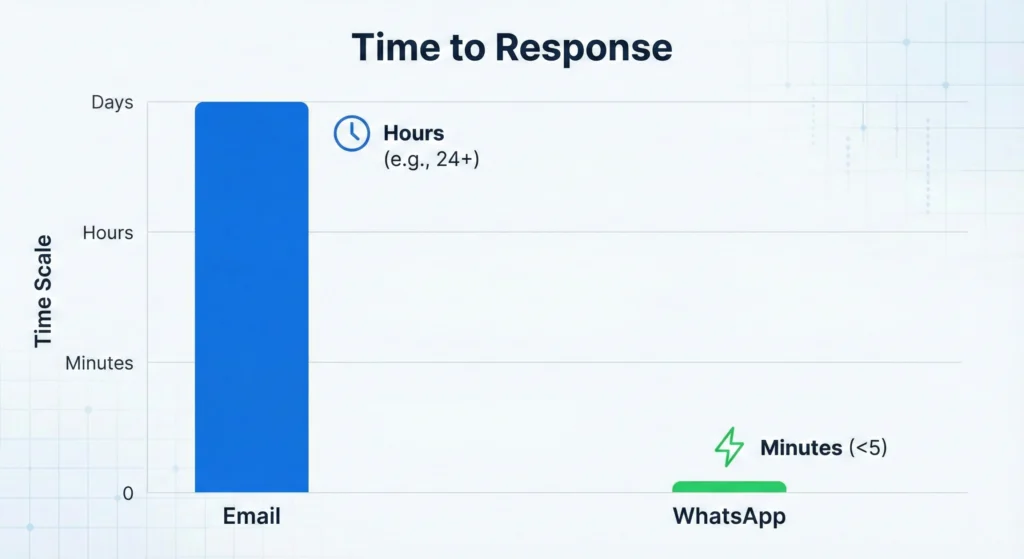
Email conversations can take days. You send a mail, wait for a reply, and send another. On WhatsApp, a full sales conversation can happen in five minutes. This speed leads to faster sales and happier customers.
WhatsApp vs. Email Marketing Performance Metrics (2025 Data)
| Metric | Email Marketing | WhatsApp Marketing |
| Open Rate | ~20% | 98% |
| Response Time | 90 Minutes - 2 Days | 90 Seconds |
| Click-Through Rate | 2-5% | 45-60% |
| Spam Folder Risk | High | Low |
| Tone | Formal / Distant | Casual / Personal |
1. E-commerce and Retail
Online stores face a big problem: people putting items in their cart and leaving. Email reminders often arrive too late or get lost. WhatsApp fixes this by reaching shoppers while they are still on their phones. To see how different retail niches apply this, you can explore various Industry use cases.
The Abandoned Cart Revolution: Notifications That Get Read
When a shopper leaves a cart, a WhatsApp message can trigger instantly. It can say, "Hey, you forgot these shoes! Here is a 5% discount to finish your order." Because the notification pops up on their lock screen, they see it immediately. This leads to much higher recovery rates.
Instant Purchase Recoveries via WhatsApp Buttons
Imagine a customer looks at a jacket. They leave the site. Five minutes later, they get a WhatsApp message with a photo of the jacket and two buttons: "Buy Now" or "Ask a Question." They click "Buy Now" and finish the checkout. This process is seamless and removes friction.
Why Email Promo Tabs Kill Retail Conversions
Gmail and Outlook sort emails automatically. Marketing emails go into "Promotions" or "Other" folders. Users rarely check these folders. WhatsApp does not have hidden folders. Your message sits right next to chats from their family and friends.
2. Real Estate
Real estate agents live and die by their phone. Being the first to reply to a new lead often means winning the commission. WhatsApp is the perfect tool for this high-speed environment.
Speed to Lead: Closing Deals via Instant Property Walkthroughs
If a buyer asks about a house, they want info now. An agent can use WhatsApp to send a video walkthrough immediately. They can answer questions about the roof or the garden in real-time. An email response sent the next day is often too late.
Automating Property Inquiries with Chatbots
Agents cannot work 24/7, but chatbots can. A WhatsApp bot can answer questions like "What is the price?" or "How many bedrooms?" instantly at 2:00 AM. This keeps the potential buyer engaged until a human can take over.
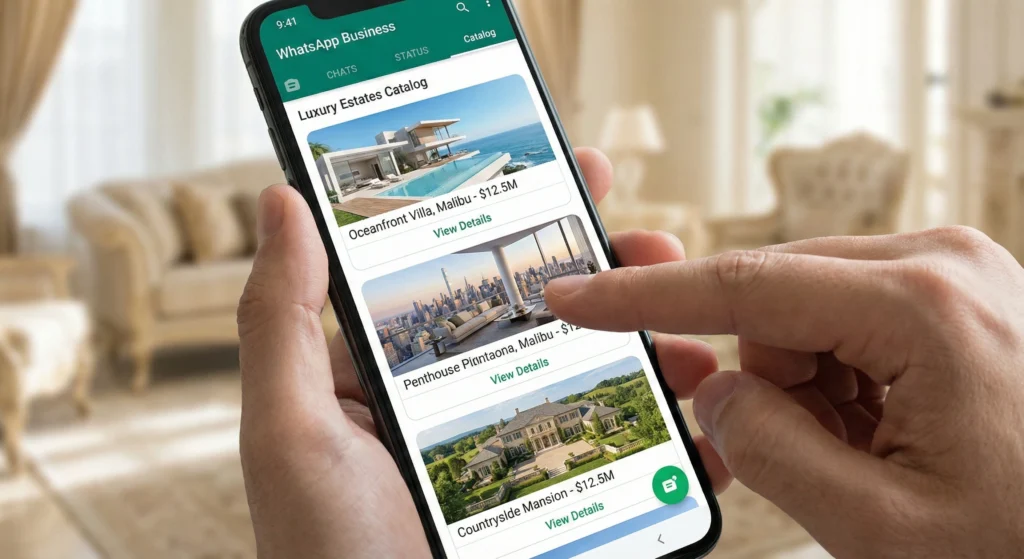
Static Email Listings vs. Interactive WhatsApp Catalogs
Emails usually contain links to websites. WhatsApp allows you to send a Catalog. The client can scroll through photos of houses without leaving the app. It feels like a modern app experience, not a clunky email.
3. Travel and Hospitality
Travel is stressful. People worry about missing flights or finding their hotel. They need information pushed to them quickly on the device they are holding.
Real-Time Critical Updates: Boarding Passes and Gate Changes
When a gate changes, sending an email is risky. The traveler might not have data to refresh their inbox. WhatsApp messages are lightweight and arrive instantly. Sending boarding passes directly to WhatsApp makes the airport experience smoother.
The Concierge Effect: Upselling Room Upgrades via Chat
Hotels can message guests a day before arrival. "Would you like to upgrade to a sea view for $20?" It is easy for the guest to type "Yes." This drives extra revenue for the hotel and improves the guest's stay.
Why Travelers Miss Emails but Check WhatsApp While Roaming
People often turn off email syncing when traveling to save data. However, they almost always keep WhatsApp on to talk to family. This makes it the only reliable channel to reach travelers abroad.
4. EdTech and Education
Schools and online courses need to keep students motivated. Email reminders about homework are easy to ignore. WhatsApp messages feel more like a nudge from a coach.
Student Engagement: Course Alerts and Homework Reminders
Online courses have low completion rates. Sending a WhatsApp text saying, "Class starts in 10 minutes!" boosts attendance significantly. It is personal and hard to miss.
Boosting Enrollment Rates with Direct Admissions Support
Prospective students have many questions. Filling out an email form feels slow. a "Chat with Admissions" button on WhatsApp lets them ask questions instantly. This friendly approach increases the number of students who sign up.
Student Response Times on Mobile Messaging
Younger students (Gen Z and Alpha) do not use email like older generations. They view email as "work" or "spam." They live in messaging apps. Reaching them on WhatsApp meets them where they already are.
5. Healthcare and Wellness
In healthcare, missed appointments cost money and hurt patient health. Communication needs to be private, secure, and noticeable.
Reducing No-Shows: Automated Appointment Reminders
A simple WhatsApp text: "Confirming your dentist appointment tomorrow at 10 AM. Reply YES to confirm." This reduces no-shows dramatically. Patients appreciate the easy reminder.
Patient Privacy and Trust: Using Verified Business Profiles
WhatsApp offers "Verified" green ticks for businesses. This tells patients they are talking to a real clinic, not a scammer. This trust is vital when discussing health topics.
The Limitation of Email for Urgent Health Notifications
If a clinic needs to close for an emergency or reschedule urgently, email is too slow. Patients might show up at a closed door. WhatsApp ensures the message is read before they leave their house.
6. Automotive
Car owners need to trust their mechanics. Visual proof of problems helps build that trust. Email is okay for invoices, but WhatsApp is better for updates.
Service Reminders and Test Drive Confirmations
Dealers can automate reminders for oil changes or tire rotations. "Your car is due for service. Click here to book." It is convenient for the owner and keeps the service bay full.
Visual Updates: Sending Repair Videos vs. Text Descriptions
Instead of calling to say, "Your brake pads are worn," a mechanic can send a 10-second video on WhatsApp showing the worn pads. The customer sees the problem and approves the repair instantly.
Customer Retention: Personalized Maintenance Alerts
After a car is sold, the relationship continues. Personalized tips on car care sent via WhatsApp keep the brand top-of-mind. This increases the chance they will buy their next car from the same place.
7. Finance and Fintech
Money matters require security and speed. Fraud alerts cannot wait in an inbox. They need immediate action.
Critical Alerts: Fraud Detection and Transaction Verification
If a bank suspects fraud, they need to ask the customer immediately. A WhatsApp message: "Did you spend $500 at Store X? Reply YES or NO." reliable and fast.
Instant Document Submission for Loan Approvals
Applying for a loan usually involves scanning papers and emailing them. With WhatsApp, a customer can snap a photo of their ID or pay stub and send it securely in chat. This speeds up approvals.
End-to-End Encryption vs. Email Vulnerabilities
WhatsApp uses End-to-End Encryption. This means only the sender and receiver can read the message. Standard email is often not encrypted and can be hacked. For finance, WhatsApp's security is a major advantage.
Best WhatsApp Marketing Tools for Specific Industries
To use WhatsApp for business effectively, you cannot just use a personal phone. You need software that manages chats, automates replies, and handles bulk messages.
Moving Beyond the App: WhatsApp Business API vs. Standard App
The standard app is fine for a tiny shop. But growing businesses need the API (Application Programming Interface). The API connects to software that allows multiple agents to reply and sends automated blasts.
Leveraging Waplify for Automation and Bulk Messaging
Tools like Waplify allow businesses to send bulk messages without getting banned. You can upload your contact list and send a personalized offer to everyone at once. This saves hours of manual work.
Using Waplify to Segment Industry Audiences
You should not send the same message to everyone. You need Features that let you tag customers. For example, a gym can tag users as "Yoga Interest" or "Weightlifting Interest." Then, they send relevant tips to each group. This increases engagement and reduces blocks.
Subscription SaaS vs. Waplify One Time Payment Model
Most marketing software charges a monthly fee. This adds up over time. Some tools, like Waplify, offer a one-time payment model. You pay once and use the software forever. For small businesses in 2025, keeping monthly recurring costs low is a smart strategy.
WhatsApp Marketing Strategy vs. Email Marketing in 2025
The future is not about deleting email but using it differently. Smart businesses will use both channels for what they do best.
Hybrid Models: When to Use Email and When to Use WhatsApp
Use email for long receipts, legal contracts, and monthly newsletters. Use WhatsApp for flash sales, urgent alerts, and customer support. This hybrid model respects the user's time and preference.
The Rise of Conversational Commerce
In 2025, more people will buy things entirely inside WhatsApp. They will browse, ask questions, and pay without ever visiting a website. This is called Conversational Commerce, and it is the next big wave in retail.
How to Do WhatsApp Marketing for Business Without Spamming
- Get Permission: Always ask before sending messages.
- Be Relevant: Only send offers the customer actually wants.
- Make it Easy to Stop: Always include an option to "Reply STOP to unsubscribe."
- Use Multimedia: Send pictures and videos, not just boring text.
Embracing the Era of Instant Connection
The shift from email to WhatsApp is about meeting customers where they are. In 2025, that place is their messaging app. Industries like retail, real estate, and healthcare are already seeing massive gains by switching.
Key Takeaways for Small Business Owners
- WhatsApp gets 98% open rates.
- It is faster and more personal than email.
- Tools like Waplify make it affordable and easy to manage.
- It works for almost every industry, from schools to car dealerships.
Start Your Transition Today
Do not let your competitors beat you to your customer's inbox. Start building your WhatsApp list today. Test a campaign, measure the results, and see the difference instant connection makes for your business.